

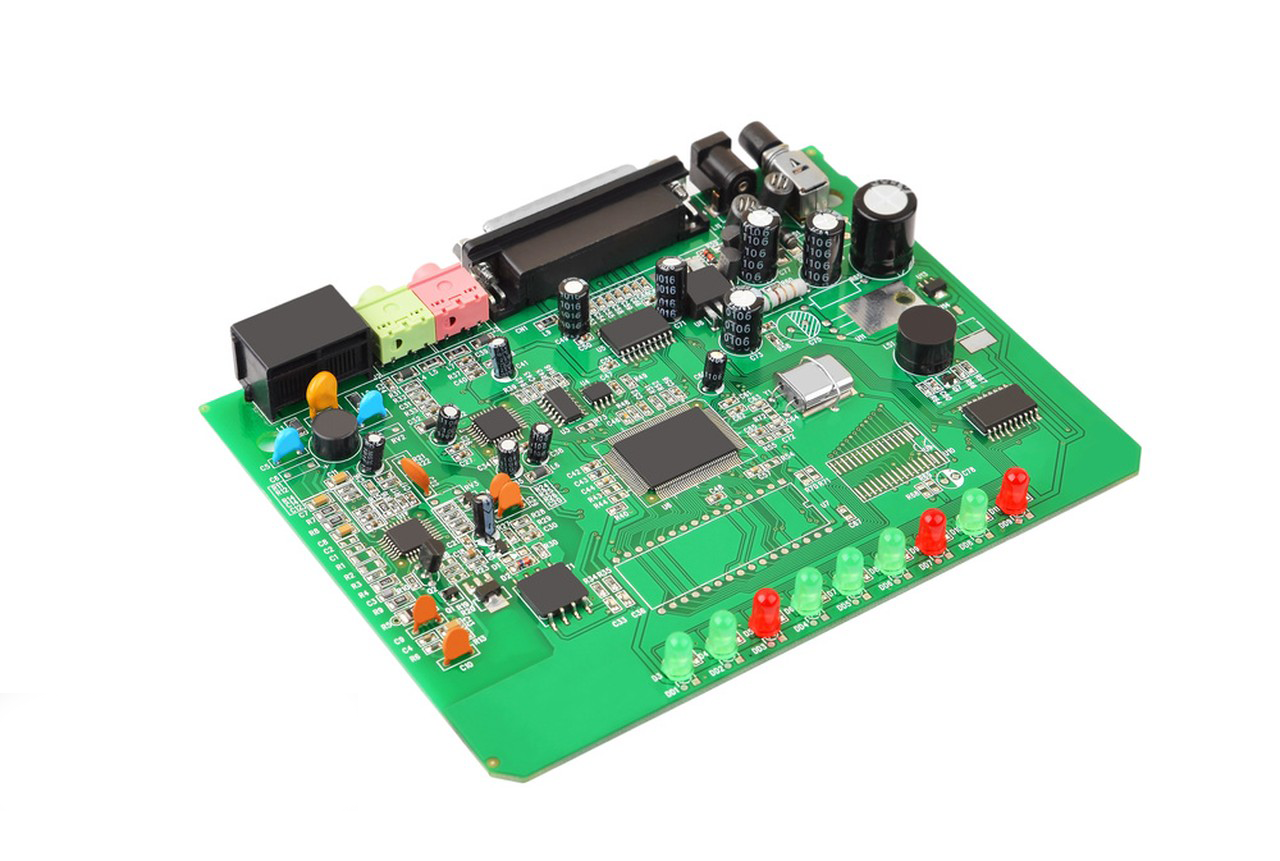
Accurate Troubleshooting Method for "Partial Failure" in PCB Production
Boards on the production line with "partial functional failure or intermittent performance" are more time-consuming to troubleshoot than fully scrapped boards. A set of practically verified troubleshooting logic is shared here, focusing on component polarity, soldering quality, and IC replacement method. 1. Confirm Two Basic Premises First No Reverse Polarity: Visually inspect whether polar components (diodes, tantalum capacitors, Pin 1 of ICs) are mounted in reverse. Reverse polarity can cause functional abnormalities or even board burnout. No Cold/Dry Joints: Inspect solder joints under a 10â50x magnifying glass. Cold joints (powdery appearance), dull solder joints, and non-wetted pins are the primary causes of intermittent failures. 2. Functional Block Locking Record which functional channel has failed (e.g., I2C communication, a certain sensor interface) and locate the corresponding IC (e.g., master/slave chips on the IIC bus). 3. Core Practice: IC Replacement Method (Taking IIC Chips as an Example) Step 1: Remove the suspicious IIC chip from the faulty board.Step 2: Remove an IC of the same model from a known good "golden board" and mount it to the corresponding position on the faulty board.Step 3: Power on for verification â if the faulty board resumes normal operation, the original IC is damaged and the problem is identified.Step 4 (Reverse Verification): Mount the IC removed from the faulty board onto the good board. If the good board malfunctions, it further confirms that the IC is defective.Step 5 (Exclude PCB Circuitry): If the fault persists after replacing the faulty board with an IC from the good board, the chip can be ruled out â there must be a fundamental problem with the PCB circuitry of the faulty board (such as open circuit, short circuit, or via breakage). The board should be directly scrapped or sent for in-depth analysis. 4. Auxiliary Verification Methods Test the continuity between power supply and ground before power-on to avoid short circuits. Compare the voltages of key nodes between the normal board and the faulty board (SCL/SDA levels of IIC, voltages at both ends of pull-up resistors). Trace the reflow temperature profile and material batch for batch issues. Design Prevention Suggestions Reserve test points (DFT), keep a "golden board" as a benchmark, and establish an operation record sheet for the replacement method.Mastering IC replacement and cross-verification is more efficient than blindly measuring all signals.#PCBDesign #HardwareEngineering #QualityControl #RootCauseAnalysis #Engineering #Innovation #Technology #ElectronicsManufacturing #SMT #ProblemSolving #JCLPCB


Post a Comment