

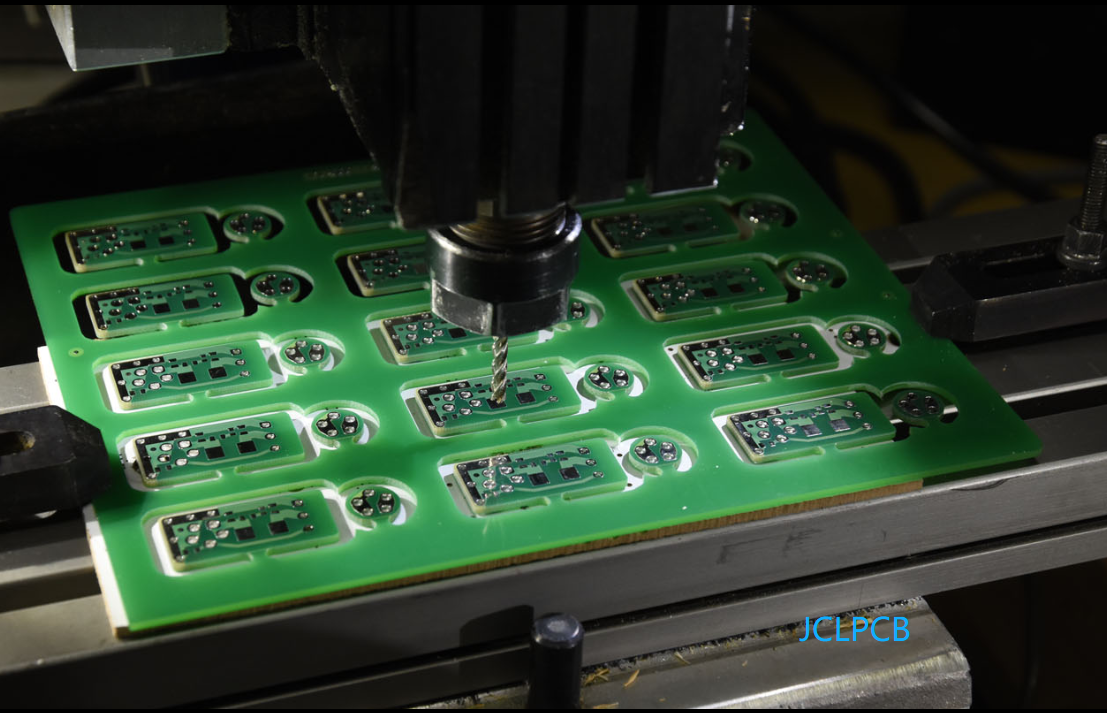
The higher the number, the better the material
When you see **TG130, TG150, TG170** during PCB prototyping, do you also automatically think: *âThe higher the number, the better the material?â* Most of the time, thatâs true. But itâs not quite that simple. **Conclusion first:** The higher the TG value, the better the heat resistance and stability of the laminate. From TG130 to TG150 to TG170, youâre essentially upgrading the materialâs ability to **withstand high temperatures**. For standard PCBs: If your manufacturer upgrades you from TG130 to TG150 or even TG170 for free, itâs basically a free reliability boost: - More stable reflow soldering - Lower risk of delamination - Better performance under high heat Sounds great, right? **But** â if youâre working on **high-speed boards, impedance-controlled boards, or high-frequency designs** â that âupgradeâ needs a second thought. Because changing the material can also change key parameters like: - Dielectric constant (Dk) - Dissipation factor (Df) What you think is a free upgrade may actually require: - Recalculating impedance - Readjusting layer stackup - Reconfirming design assumptions Thatâs the subtle point: ð¹ For standard projects: Higher TG â **improvement** ð¹ For high-speed projects: TG change â **variable to re-verify** Ultimately, in engineering thereâs no absolute âbetterâ â only **more suitable**. Standard boards fear poor material quality. High-speed boards fear inconsistent material. Question for fellow engineers: In your projects, do you **specify the TG value** on purpose? Or just follow the board houseâs default material? Feel free to share your approach in the comments ð #PCBDesign #HardwareEngineering #ElectronicsManufacturing #EngineeringMindset #DFM #JCLPCB


Post a Comment