

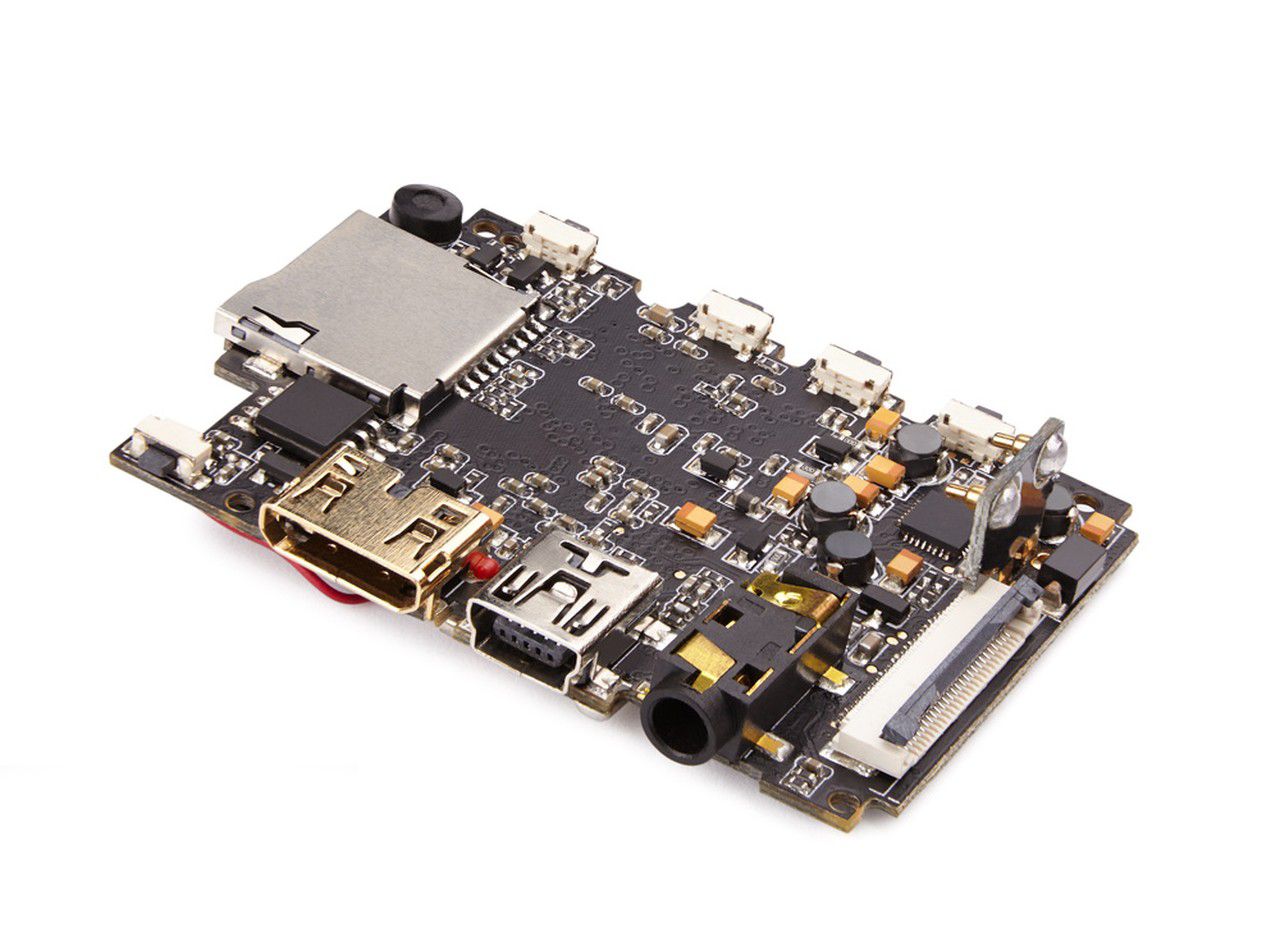
From "Electrical Interconnection" to "Reliability Design": How PCB Reinforcement Defines Product DNA
In today's pursuit of thinner, lighter, and smarter devices, have we ever wondered: where exactly does the durability of a product begin? The answer often lies in the design philosophy of its most fundamental carrierâthe printed circuit board (PCB). Far beyond its simple function of electrical connection, the PCB has evolved into a sophisticated system of mechatronic reliability engineering. When a PCB is required to withstand bending, vibration, or thermal cycling, its design becomes a micro-application of materials science and structural mechanics. For instance, in flexible circuit design, reliability is built on several core principles: Stress Management: Vias must be kept away from bending zones, and trace routing should form a specific angle with the bending axis to distribute stress effectively. Detail Enhancement: Incorporating teardrop transition structures at the junctions of traces and pads can significantly alleviate stress concentration and prevent microcracks. Local Reinforcement: Attaching stiffeners in areas with connectors or heavy-load components provides robust local support for flexible sections, ensuring stable performance even after 10,000+ insertion/extraction cycles. The more advanced rigid-flex PCB design represents a system-level forward-thinking approach. By integrating the stability of rigid regions and the flexibility of flexible areas on a single board, it not only enables freedom of 3D space assembly but also fundamentally optimizes vibration resistance and fatigue life. Thus, it has become the top choice for fields such as aerospace and high-end medical equipment. Behind all this lies a profound evolution in the role of modern hardware engineers. We are no longer merely circuit layout designers, but architects of product reliability. Every trace route, every via placement, and every material specification is an investment in the long-term value of the product. Insights & Resonance In an era of high homogenization in consumer electronics, the ultimate differentiator of user experience often boils down to one word: reliability. And this reliability first originates from a PCB that has been meticulously reinforced. Though operating behind the scenes, it forms the first and most critical line of defense for products against physical challenges. The implication for us hardware practitioners is clear: exceptional design means embedding durability into the product's DNA from its very inception. This requires a cross-domain integrated approach that combines electrical performance, mechanical stress, thermal management, and material characteristics in our thinking. Interactive Discussion What challenges have you encountered in your projects due to PCB mechanical design? And what innovative design strategies or material solutions did you adopt to resolve these issues? Welcome to share your insights and practices in the comments section.


Post a Comment